Investment Stimulation Through Legislation in the Mining Industry
The foundation of investment attractiveness for any mining jurisdiction consists of three key factors: protective and predictable legislation, political stability, and minimization of regulatory risks for investors. Ukraine, possessing colossal mineral resource potential, has yet to fully realize its competitive advantages precisely due to the imperfection of the legal environment. According to the results of the annual Fraser Institute Annual Survey of Mining Companies, Ukraine consistently falls in the bottom third of the ranking for investment attractiveness, lagging behind even countries with significantly smaller mineral reserves.
Minimizing risks for foreign investors requires a comprehensive approach covering several key areas. First, legislative guarantees of stability for investment project conditions are necessary -- the so-called "grandfather clause," which protects investors from retroactive legislative changes. Second, simplified procedures for obtaining permits and licenses are needed, with clearly defined deadlines and lists of required documents. Third, ensuring effective judicial protection of investor rights is critically important, including the possibility of international arbitration. Fourth, the creation of a system of fiscal incentives is necessary -- tax holidays, accelerated depreciation, and reduced royalty rates at the initial stage of deposit development.
A comparison of Ukraine's investment climate with other mining countries demonstrates both gaps and opportunities for improvement. Canada and Australia, recognized leaders in attracting mining investments, offer investors transparent rules, an effective property rights protection system, access to capital markets for fundraising, and developed infrastructure. African countries -- Congo, Zambia, Botswana -- despite significantly greater geopolitical risks, actively compete for investments through flexible fiscal regimes and simplified procedures. Kazakhstan and Uzbekistan, having a similar post-Soviet legacy to Ukraine, have already carried out significant reforms that have allowed them to significantly improve their positions in international rankings.
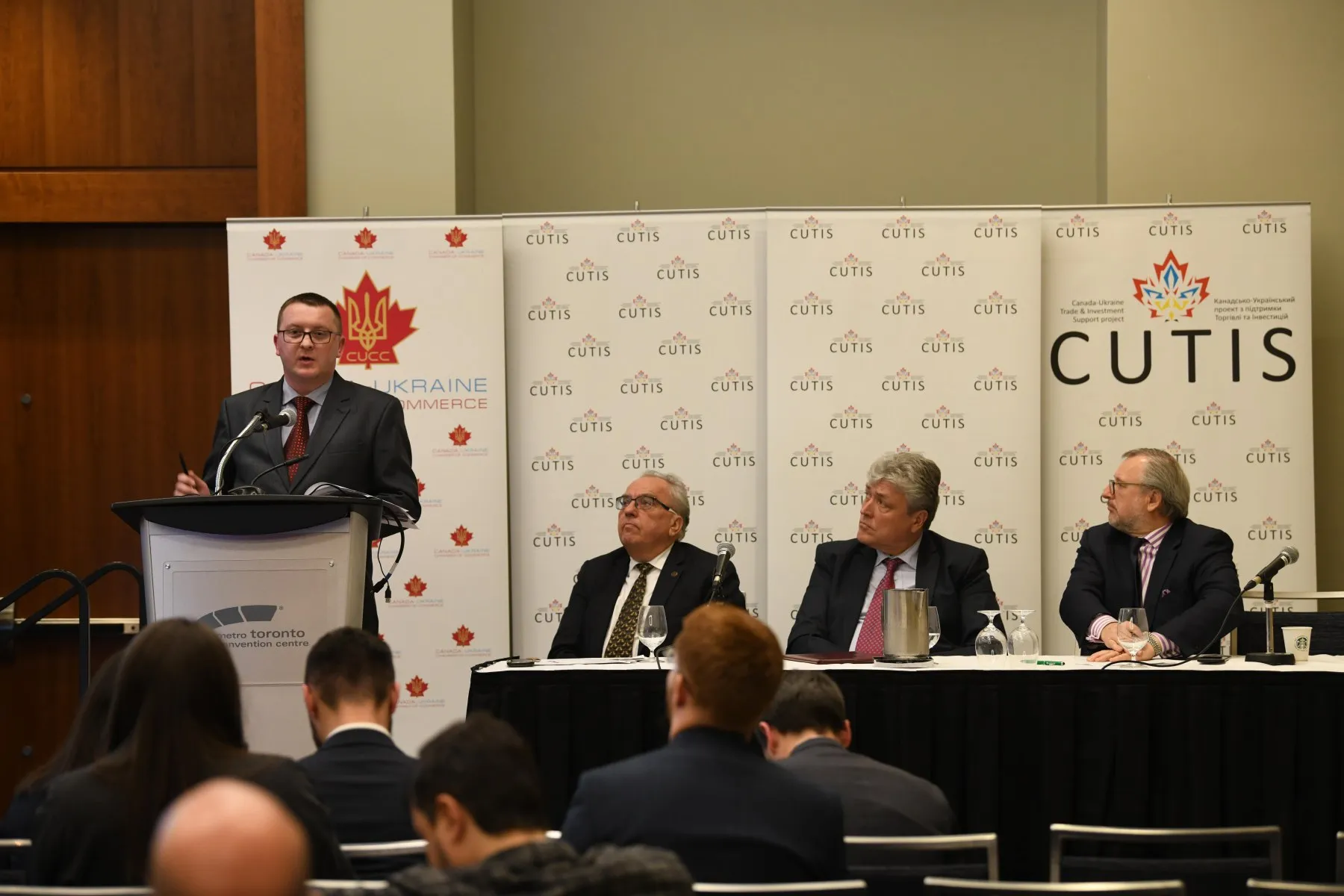
Kislotoupor's role in attracting foreign investments into Ukraine's mining industry is unique. The company acts as a kind of "bridge" between Ukrainian deposits and international investors, providing preparation of project documentation according to international standards, conducting independent reserves evaluation under JORC and NI 43-101 codes, and supporting investment transactions. Kislotoupor regularly participates in international mining forums -- PDAC in Canada, MINEX in Europe, Mining Indaba in Africa -- where it presents investment opportunities of Ukrainian deposits and establishes contacts with potential partners. In recent years, the company has conducted negotiations with dozens of foreign companies and investment funds.
The prospects for developing the investment environment in Ukraine depend on the state's ability to carry out systemic reforms. Kislotoupor, together with other market participants, has prepared a package of legislative initiatives aimed at creating a favorable investment climate. Key proposals include: adoption of a new Subsoil Code to replace the outdated 1994 law; creation of a unified electronic cadastre of deposits with open access to geological information; implementation of a competitive license distribution system through international auctions; and establishment of a clear and competitive fiscal regime for mining projects. Implementation of these initiatives, according to expert calculations, would allow increasing foreign investment volumes in the industry by 5-7 times over the next ten years.